
Solar panels change more than how a home generates electricity—they also change who manages energy. Once homeowners begin producing their own power, the traditional passive relationship with the grid no longer applies. Homeowners suddenly influence how much energy they create, when they consume it, and how effectively they maintain system performance. Tools like the Anker SOLIX PS400 Portable Solar Panel make this shift more visible because users can actively adjust angles, placement, and sunlight exposure to improve energy capture. As a result, solar living creates a more hands-on relationship with the home’s energy supply. This shift in responsibility reflects how renewable systems reward attention, understanding, and proactive decision-making.
Why Solar Ownership Comes With New Responsibilities?
Daily Sunlight Variability Places Homeowners in the Decision Seat
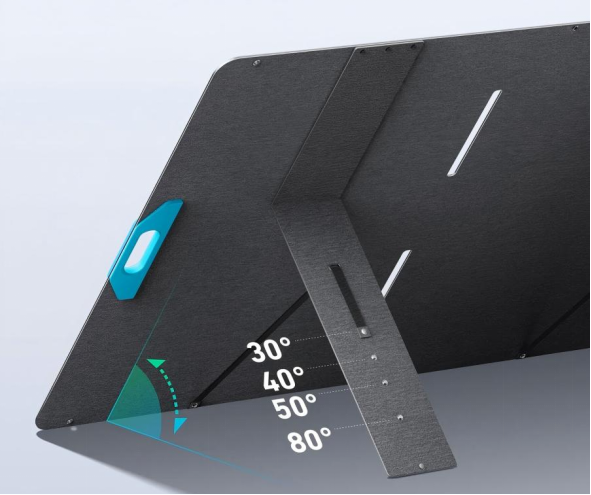
Solar panels depend on sunlight for power, and sunlight changes day by day. This natural variability requires homeowners to pay attention to weather forecasts, shading patterns, and seasonal daylight differences to understand how much power the system may produce. Even though modern inverters handle fluctuations automatically, homeowners decide how to schedule major activities—such as running dishwashers or charging portable devices—based on available solar energy. Portable panels solar home, like the Anker SOLIX PS400, reinforce this awareness because users must orient the panel properly to maximize output. With four adjustable tilt angles and up to 23% conversion efficiency, it shows how positioning influences results. The more homeowners understand these patterns, the more effectively they manage their energy.
Energy Generation Turns Into a Managed Resource
Grid power arrives the same way regardless of household behavior. Solar power does not. Once a system begins generating electricity, homeowners become stewards of an energy resource that changes throughout the day. Morning shadows, afternoon peaks, and evening declines all influence how much power the home receives. Because production follows the sun—not convenience—households shift routines to match the times when solar output is highest. This change creates direct responsibility: homes that want to maximize solar benefit must be mindful of how, when, and why they consume electricity. When families add portable tools like the PS400 to supplement rooftop arrays, they learn how even small adjustments deliver meaningful performance improvements, encouraging more active participation.
Solar Maximization Depends on Personal Habits and Awareness
Solar systems work automatically, but they perform best when homeowners understand their capabilities. People who monitor output more regularly often achieve better long-term performance, because they can identify inefficiencies or shaded areas sooner. Behavioral changes—like spreading appliance use throughout the day instead of clustering high-demand devices—help maintain balance. The shift toward homeowner responsibility emerges because energy becomes something they actively influence, not something they merely receive. Portable options such as the PS400 highlight how awareness shapes outcomes. By repositioning the panel during the day to capture stronger light, users experience how direct involvement increases energy yield. This reinforces the idea that solar performance improves when homeowners stay engaged.
How Solar Responsibility Influences Home Routines and Expectations?
Households Adjust Behaviors to Align With Solar Patterns
As homeowners learn their solar system’s rhythm, they adjust daily routines. This adjustment is not restrictive but intentional. Running laundry cycles during peak sunlight hours, charging devices earlier in the day, and heating water when solar production is strong help minimize grid reliance. These shifts reflect how solar panels subtly encourage thoughtful energy use. The Anker SOLIX PS400 demonstrates this dynamic clearly: users see immediate output changes when they adjust angles or move to avoid shadows. This cause-and-effect relationship carries over to rooftop systems, where homeowners recognize how small decisions—like trimming branches or repositioning outdoor objects—can improve consistency. Solar living guides households toward patterns that support efficiency without sacrificing comfort.
Maintenance Awareness Becomes Part of Long-Term Ownership
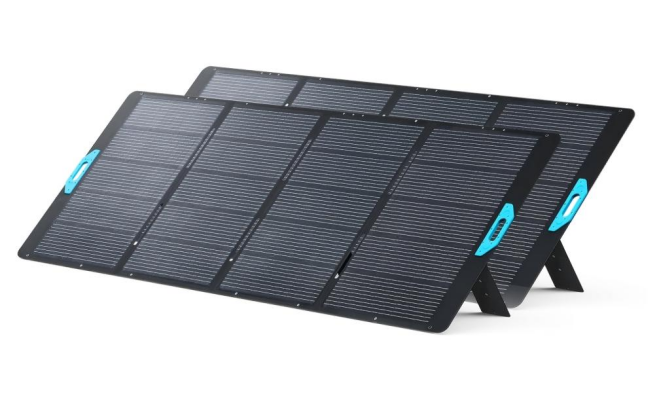
Solar technologies require far less maintenance than many home systems, but they still depend on basic care. Dust, snow, or debris can reduce sunlight absorption. Roof conditions influence long-term stability. Homeowners become responsible for checking panels occasionally, ensuring hardware stays clean, accessible, and unobstructed. Portable panels like the PS400 make this relationship clearer because users physically unfold, angle, and store them. The durable IP67 waterproof protection offers reassurance that the panel withstands tough outdoor conditions, yet owners still develop habits around care and inspection. This growing awareness translates to rooftop systems, where homeowners recognize that solar power is more effective when they remain attentive to simple maintenance tasks that safeguard long-term performance.
Home Energy Expectations Shift from Passive Use to Active Management
Before solar installation, most households rarely think about the source of electricity or its real-time availability. Solar panels change that relationship. Once energy becomes self-generated, homeowners adopt a mindset closer to resource managers. They track production, compare it with consumption, and build strategies—like staggering appliance loads—to optimize outcomes. This shift does not create a burden; it creates control. And it highlights the value of small decisions, such as using adjustable panels when extra power is needed. The Anker SOLIX PS400 supports this mindset because it allows homeowners to generate additional power wherever sunlight is available, reinforcing the idea that energy is something they can actively influence. Over time, increased awareness leads to smarter choices, reduced waste, and greater confidence in energy independence.
Conclusion
Solar panels shift responsibility to homeowners because they transform energy from a passive utility to an active resource. Daily sunlight patterns, maintenance needs, and consumption habits all intersect with system performance, encouraging households to be more aware of how and when they use electricity. Portable tools such as the Anker SOLIX PS400 Portable Solar Panel demonstrate this shift clearly by showing how positioning, angle adjustments, and environmental awareness affect output in real time. This hands-on relationship empowers homeowners to take control of their energy use, adapt to natural rhythms, and make informed decisions that maximize solar benefits. As a result, solar living becomes not only a clean energy choice but a more intentional and engaged approach to powering the home.